Massive Drone Attacks on Russian Refineries: Scale & Consequences
In recent months, Russia has faced an escalating campaign of drone attacks targeting its critical oil infrastructure. These drone attacks on oil refineries, or as the term атака дронов НПЗ encapsulates, have become a strategic cornerstone, aiming to disrupt the nation's economy and its war machine. What began as sporadic incidents has transformed into a sustained, geographically expansive assault, revealing significant vulnerabilities within Russia's domestic energy sector and posing profound challenges to its military logistics and economic stability.
The scale of these operations has been unprecedented. Reports indicate a significant uptick in the frequency and reach of unmanned aerial vehicle (UAV) strikes deep within Russian territory, hitting facilities crucial for refining and distributing petroleum products. While Russian defense officials often claim high interception rates and minimal damage, open-source intelligence (OSINT) and local reports frequently paint a different picture, detailing extensive fires and operational disruptions at targeted sites. This article delves into the scope of these attacks, their tangible impact on Russia's fuel market and military operations, and the broader strategic implications.
The Unprecedented Scale of Attacks: A Spreading Frontline
Recent periods have seen Russia endure some of the most extensive drone assaults since the start of the conflict. One particularly notable wave of attacks, for instance, saw official Russian sources claim the interception of over 200 drones across more than a dozen regions. Yet, despite these assertions of defensive success, evidence from the ground often contradicted official narratives.
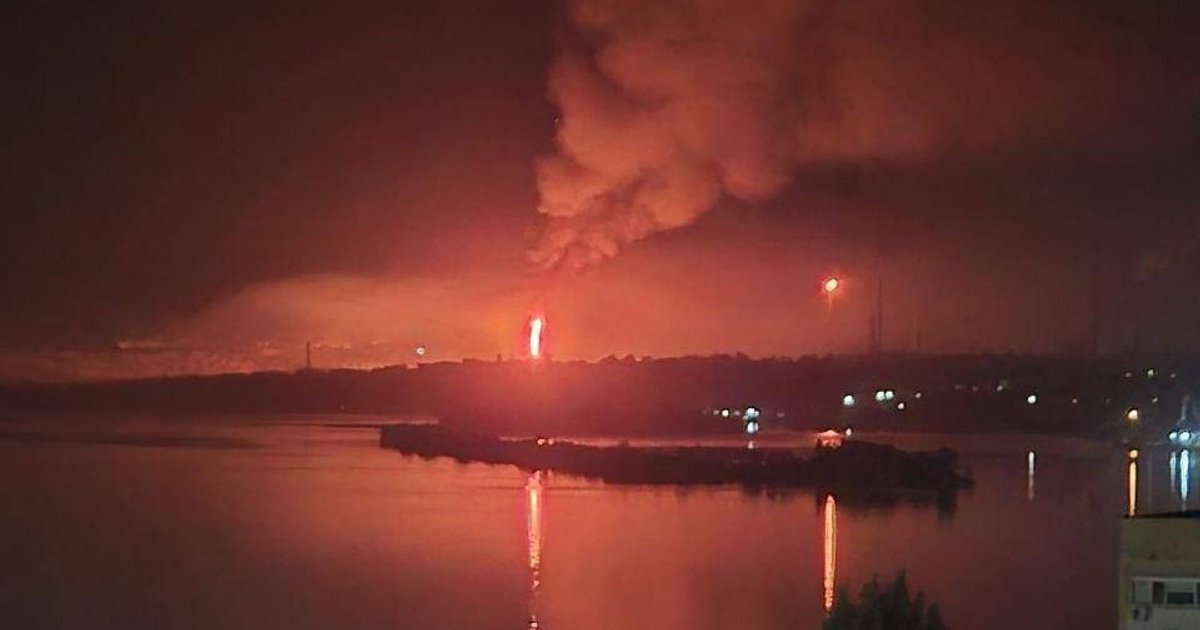
For example, while governors in regions like Bryansk and Smolensk initially reported no damage, OSINT analysts swiftly uncovered visual evidence of significant fires at facilities such as the Kardymovo oil depot near Smolensk, owned by Lukoil. Similarly, in the Leningrad region, despite official figures, local authorities confirmed a blaze at a vessel and pumping station in the crucial Primorsk port, a vital export hub.
More recently, incidents like the one on February 17, 2024, highlighted the continuous threat. Drones targeted several sites, including the Ilsky oil refinery in Krasnodar Krai. Local residents reported a barrage of explosions followed by a massive fire, which the regional operational headquarters later confirmed, stating that a petroleum product reservoir was damaged with a fire spanning approximately 700 square meters. These repeated incidents underscore not only the reach of the attacking drones but also their ability to penetrate Russian air defenses and inflict measurable damage on critical infrastructure, spanning from the border regions to deep within Russia, including areas like Moscow, Rostov, Pskov, and even raising concerns about potential strikes on facilities as far east as Siberia.
Crippling the Supply Chain: Economic and Logistical Fallout
The strategic intent behind these drone attacks on oil refineries is multifaceted, aiming to inflict significant economic pain and disrupt Russia's military machine. The impact is increasingly evident:
- Economic Havoc: According to analysts like Anton Zemlyanoy of the Ukrainian Center for Security and Cooperation, these strikes have precipitated a severe crisis in Russia's fuel sector. The most tangible consequence has been the reported loss of approximately 17% of Russia's total oil refining capacity, translating to about 1.1 million barrels per day. This substantial reduction has led to widespread fuel shortages, affecting around 20 regions across the country. Such deficits invariably lead to rising fuel prices and the potential for social discontent among the populace.
- Eroding Export Revenues: Beyond domestic consumption, Russia's economy is heavily reliant on oil and gas exports. The damaged refining capabilities reduce the volume of refined petroleum products available for sale on international markets. This not only directly impacts Russia's export earnings – a critical source of funding for its war efforts – but also further weakens its position in global energy markets, especially in the face of existing international sanctions. The combined effect of reduced supply and external pressure creates a significant fiscal challenge for Moscow.
- Military Logistics Disruption: While a critical fuel deficit for the Russian military on the front lines may not yet be an immediate crisis, these attacks are undoubtedly creating severe logistical challenges. Transporting fuel across vast distances, especially to the southern front lines in Ukraine, becomes significantly more complex and time-consuming when key refining or storage facilities are incapacitated. This leads to delays in resupplying troops, impacting the mobility and operational capacity of armored vehicles, aircraft, and support convoys. The need to reroute supply chains, rely on alternative, often less efficient, routes, and potentially import refined products from allies strains resources and diverts attention from other military priorities. The constant threat also forces Russia to dedicate more air defense assets to protect its rear, drawing them away from front-line deployment.
These persistent drone strikes highlight a deliberate strategy to undermine both the economic foundation and the operational capabilities of the Russian military. For a deeper understanding of the economic toll, read more about Russia's fuel crisis.
The Strategic Logic Behind the Strikes
The targeting of Russian oil refineries isn't arbitrary; it reflects a clear strategic rationale:
- High-Value Targets: Oil refineries and depots are capital-intensive, complex facilities. Damage to even a small part can shut down operations for weeks or months, requiring specialized parts and expertise, often from abroad, which is complicated by sanctions.
- Disrupting the War Machine: Fuel is the lifeblood of modern warfare. By impacting the production and distribution of gasoline, diesel, and aviation fuel, the strikes directly impede Russia's ability to maintain its military operations, particularly on the Ukrainian front.
- Economic Pressure: The oil and gas sector is the cornerstone of Russia's economy, accounting for a significant portion of its GDP and export revenues. Hitting these facilities directly impacts Russia's ability to finance its military aggression and maintain domestic stability.
- Psychological Impact: Successful strikes deep within Russian territory demonstrate capability and vulnerability. This can erode public confidence, challenge the narrative of invincibility, and force the Kremlin to divert resources to protect its vast hinterland.
- Resource Diversion: Each successful drone attack compels Russia to reallocate its already stretched air defense systems from the front lines to protect vital infrastructure, potentially creating windows of opportunity for forces on the battlefield.
These strikes are not merely acts of sabotage; they are a calculated effort to degrade Russia's capacity to wage war on multiple fronts—economic, logistical, and psychological. Further insights into this strategy can be found in discussions around Ukraine's drone strikes' impact on Russia's oil and war logistics.
Future Implications and Challenges
The ongoing атака дронов НПЗ campaign presents a dynamic and evolving challenge. For Russia, the immediate future involves a race to bolster air defenses across its vast territory, a task made incredibly difficult by the sheer number of potential targets and the cost-effectiveness of drone technology. Repairing damaged facilities requires significant investment and time, often complicated by sanctions restricting access to Western technology and expertise.
Should these attacks continue with the current intensity or escalate further, particularly if targets deeper into Siberia become viable, the long-term economic consequences for Russia could be severe. It could permanently alter Russia's position as a reliable energy exporter, force a complete overhaul of its logistical networks, and place increasing strain on its federal budget.
Globally, sustained disruptions to Russian oil refining capacity could introduce further volatility into the international energy markets. While Russia's crude oil exports might remain relatively stable in the short term, a persistent deficit in refined products could shift global trade flows and potentially impact prices for consumers worldwide.
The evolution of drone warfare, as demonstrated by these attacks, also highlights a broader shift in modern conflict. Relatively inexpensive, autonomous systems are proving capable of inflicting disproportionate damage on high-value, fixed targets, signaling a new era of strategic targeting and defense.
Conclusion
The consistent and expanding drone campaign against Russian oil refineries represents a critical component of the ongoing conflict, delivering measurable impacts on Russia's economy and military capabilities. From causing widespread fuel shortages and eroding crucial export revenues to disrupting vital military logistics, the scale and precision of these strikes underscore a sophisticated strategy. As Russia grapples with protecting its vast energy infrastructure, the long-term consequences could fundamentally reshape its economic stability and its ability to sustain its military operations, marking a significant strategic shift in the conflict.