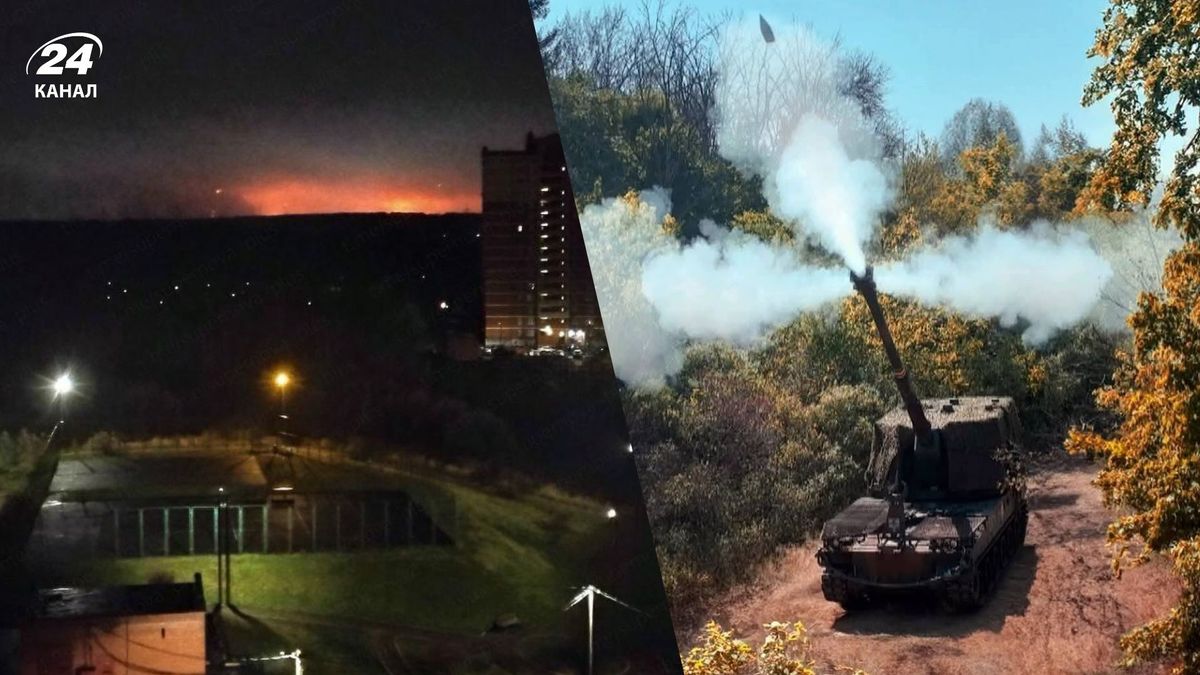
The Escalation of Drone Warfare: Targeting Russia's Energy Lifeline
In a strategic shift that has redefined the battleground, Ukraine's increasing use of long-range drones to target Russian energy infrastructure has become a critical front in the ongoing conflict. These massive drone attacks on Russian refineries, often referred to by the main keyword phrase "атака дронов НПЗ" in local reports, are not merely acts of sabotage; they represent a calculated effort to undermine Russia's war economy and logistics by striking at its most vital arteries.
Recent months have seen a significant escalation in the scope and frequency of these strikes. Notable among them was a particularly intense wave of drone assaults that Russia experienced, with claims of hundreds of unmanned aerial vehicles (UAVs) intercepted across numerous regions, including Bryansk, Smolensk, Leningrad, and Moscow. While official Russian statements frequently assert the effectiveness of their air defense systems, open-source intelligence (OSINT) and numerous video confirmations paint a different picture. Evidence of fires and substantial damage to critical oil infrastructure, such as the Lukoil-owned "Kardymovo" oil depot near Smolensk and the port of Primorsk, directly contradicts official narratives of complete success.
Further demonstrating this persistent threat, the Ilsky oil refinery in Krasnodar Krai was reportedly hit on February 17, leading to a large-scale fire that engulfed a 700 square meter area and damaged a fuel reservoir. These incidents underscore Ukraine's growing capability to project power deep into Russian territory, targeting facilities crucial for both its domestic economy and its military machine. The increasing range and precision of Ukrainian drones suggest a deliberate strategy to degrade Russia's capacity to process and distribute vital petroleum products, directly impacting its ability to sustain the war effort.
Economic Fallout: A Deepening Fuel Crisis for Russia
The strategic targeting of Russia's oil refineries has unleashed a severe and multifaceted economic crisis within the country. As senior analyst Anton Zemlyanoy of the Ukrainian Center for Security and Cooperation observes, these Russian oil refineries hit: 17% capacity lost, fuel crisis is a direct consequence of these persistent drone strikes. Within a recent 30-day period, approximately 14 refineries were impacted, resulting in a staggering loss of about 17% of Russia's total oil refining capacity—equating to 1.1 million barrels per day. This reduction is far from negligible; it strikes at the very heart of Russia's financial stability and internal market dynamics.
The immediate repercussions are already evident. Reports indicate fuel shortages gripping around 20 regions across Russia. This widespread scarcity inevitably leads to escalating fuel prices, sparking public discontent and potentially fueling social unrest. For an economy heavily reliant on oil and gas exports, the disruption of refining capabilities has dire implications for its balance sheet. Reduced production of refined products means less available for export, directly diminishing Russia's foreign currency earnings and weakening its position in global energy markets, already pressured by international sanctions.
Refineries are complex and highly specialized industrial facilities. Their damage is not easily or quickly repaired. It often requires access to specific foreign-made components and expertise, which are increasingly difficult to acquire due to sanctions. This means that the lost capacity is unlikely to be restored rapidly, exacerbating the long-term economic strain. The loss of refining capabilities directly impacts the production of critical fuels like gasoline for civilian transport, diesel for heavy industry and agriculture, and jet fuel for aviation, creating a cascading effect throughout the economy.
Disrupting the War Machine: Impact on Military Logistics
While the immediate impact on frontline military operations might not yet be critical, the relentless "атака дронов НПЗ" campaign against Russian refineries is undeniably creating significant logistical headwinds for the Russian Armed Forces. Fuel is the lifeblood of any modern military. Tanks, armored personnel carriers, artillery, military transport vehicles, and aircraft all depend on a constant, uninterrupted supply of petroleum products.
Anton Zemlyanoy highlights that occupational forces, particularly in southern Ukraine, are already experiencing supply delays due to these disrupted logistics. When refineries are damaged, the entire supply chain—from production to storage and distribution—is compromised. This forces the Russian military to either rely on longer, more circuitous supply routes from undamaged facilities, or to divert limited reserves. Both options incur substantial costs: increased transport times, higher fuel consumption for transport itself, greater vulnerability to attack along extended routes, and a diversion of resources that could otherwise be used for combat operations.
The degradation of Russia's fuel infrastructure also places immense pressure on its military planning. Commanders must contend with potential shortages, leading to rationing, reduced operational tempo, and a more cautious approach to maneuvers that require significant fuel expenditure. This can particularly affect high-intensity operations and rapid advancements, which demand vast quantities of fuel. Moreover, the psychological impact on troops, knowing that their supply lines are vulnerable and potentially constrained, cannot be underestimated. It can erode morale and confidence in the sustained support from the rear. This strategic pressure highlights the intertwined nature of economic stability and military effectiveness in modern warfare.
Beyond the Immediate: Long-Term Strategic Implications
The sustained campaign of drone strikes on Russia's oil infrastructure presents a profound strategic dilemma for Moscow. The sheer vastness of Russian territory and its energy network makes it nearly impossible to protect every single critical facility effectively. This forces Russia to make difficult choices: either divert precious air defense assets from the front lines to defend deep rear areas, or risk leaving vital economic and logistical hubs vulnerable to further attacks.
In the long term, this sustained pressure diminishes Russia's overall capacity to wage prolonged war. A weakened economy, struggling with internal fuel shortages and reduced export revenues, directly translates into fewer resources for military procurement, maintenance, and personnel. It challenges the Kremlin's ability to project an image of stability and strength, both domestically and internationally. The repairs required for these complex facilities are not just costly but also time-consuming, meaning the economic and logistical pain inflicted by these strikes will persist for months, if not years.
From Ukraine's perspective, this asymmetric warfare strategy offers a way to impose significant costs on its adversary without engaging in direct, conventional military confrontation on a grand scale. It's a testament to the evolving nature of modern conflict, where technological innovation and strategic targeting can have outsized impacts. For Russia, potential solutions are limited: increased reliance on fuel imports (which are expensive and subject to sanctions), further rerouting of already strained logistics, and a massive, costly investment in air defense systems that may still prove insufficient against agile and increasingly sophisticated drones. Each of these "solutions" comes with its own significant economic and strategic trade-offs.
Conclusion
Ukraine's drone campaign targeting Russian oil refineries is far more than a series of isolated incidents; it represents a sophisticated and effective strategy to apply multifaceted pressure on Russia's economy and military logistics. By striking at the very heart of Russia's energy sector, these "атака дронов НПЗ" operations are causing significant economic pain through fuel shortages and reduced export revenues, while simultaneously creating tangible logistical challenges for the Russian Armed Forces. This strategic pivot highlights the evolving landscape of modern warfare, where a relatively low-cost, high-impact approach can yield considerable strategic advantages, underscoring the deep interconnectedness of a nation's economic strength and its capacity to sustain a prolonged conflict.